Your Corgi Puppy's First Week at Home
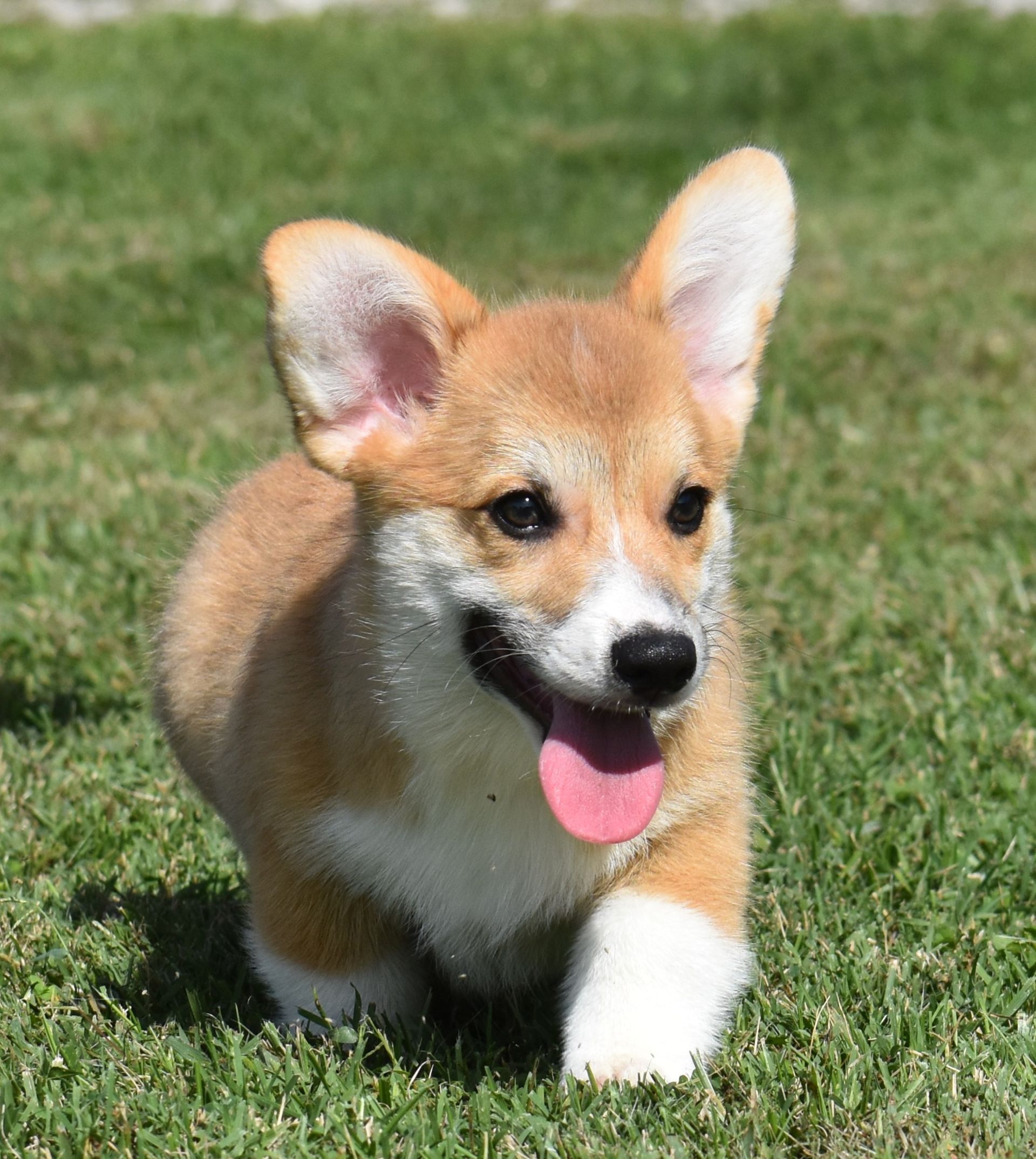
The first week with a new corgi puppy is exciting and tiring. Your puppy is leaving the only home and family it knows, so a calm, predictable routine helps a lot. We prepare our puppies at F&M Corgis with daily handling, crate and potty training and weekly nail trims, but the first days at your house still need patience.
Here is how I suggest you plan the first week.
Before you pick up your puppy
Set up a crate in a quiet part of the house with a soft bed and a toy. Put away shoes, cords and small objects, and block off stairs with baby gates. Buy the food your puppy is eating now and ask Michelle for the name so you can keep it the same.
Gather the records we send: pedigree, microchip details, vaccination and worming records and the vet health certificate. Our guide to preparing your home has a full checklist.
Day one: keep it calm
Take your puppy to the potty spot first, then let it sniff around one room. Resist inviting every friend over. Offer a small meal and water, then plenty of rest. Puppies sleep a lot.
Use the crate for naps so your puppy learns it is a safe place. Our puppies are used to crates, which usually makes this easier.
Days two and three: start the routine
Feed at the same times each day and take your puppy out after meals, naps and play. Reward every success right away with praise and a small treat. Accidents will happen, so clean them with an enzyme cleaner and move on without scolding.
Expect some crying at night. Place the crate near your bed at first so your puppy can hear you, and move it gradually if you wish.
Day four: the first vet visit
Schedule a vet visit in the first few days. Bring the paperwork and ask about the next vaccines, parasite prevention and a spay or neuter timeline. Ask your vet about handling a corgi's long back, including avoiding repeated jumps.
Keep your puppy off the ground in public places until your vet says it is safe, since the vaccine series is not complete.
Days five and six: manners and socialization
Begin short training sessions of a few minutes: name, sit and coming when called. Corgis are smart and learn quickly, but they are also herding dogs, so you may see nipping at ankles. Redirect it to a toy and reward gentle play.
Carefully introduce new sounds, surfaces and people. Our pups meet people and other dogs from birth, so they are usually confident, but gentle exposure keeps that going.
Day seven and beyond
By the end of the first week, most puppies understand the household rhythm. Keep the routine steady for the next few weeks, and keep exercise short and frequent.
Your breeder should be a phone call away. If you have questions, call Michelle at (620) 764-3565 or contact us. We are always glad to hear how our puppies are doing.
Common first-week mistakes
The most common mistake is giving the puppy too much freedom. A puppy left free in the whole house will have accidents and chew things. Use the crate and a small play area, and widen the space as your puppy proves reliable.
Another is overexcitement. Constant visitors, long play sessions and being carried everywhere teach your puppy to be anxious or demanding. Keep things calm and let your puppy sleep.
A third is inconsistency. If one person allows jumping and another scolds it, your puppy gets confused. Agree on rules together and apply them every time.
When to call for help
Call your vet if your puppy refuses to eat for a day, has vomiting or diarrhea that persists, is lethargic or has trouble breathing. Puppies can get sick quickly, so do not wait.
For training and routine questions, call us. We are happy to hear how your puppy is settling in, and we can often reassure you that what you are seeing is normal. Our number is (620) 764-3565.
Looking ahead
After the first week, think about puppy classes, regular grooming and a long-term exercise plan. Your puppy's personality will keep unfolding, and the effort you put in now is repaid in a calm, confident adult. Read our potty and crate training guide for the next step.
A sample first-week schedule
A simple day might look like this: wake and potty at 6:30, breakfast and potty, a short play session, nap in the crate, potty, a short training lesson, lunch, nap, evening play with the family, dinner, potty, a calm cuddle, a last potty trip and bed. Puppies under four months often need a potty trip every two hours.
Write down your schedule and keep it for the first couple of weeks. Predictable days build confidence and make house training faster.
What to ask your breeder
Before your puppy comes home, ask what it eats, when it eats, what vaccines and worming it has had and when the next ones are due. Ask about its personality and any habits you should know about.
At F&M Corgis we are happy to answer those questions and any that come up later. Your puppy's first week is a big transition, and you are never alone in it.