How Much Exercise Does a Corgi Need?
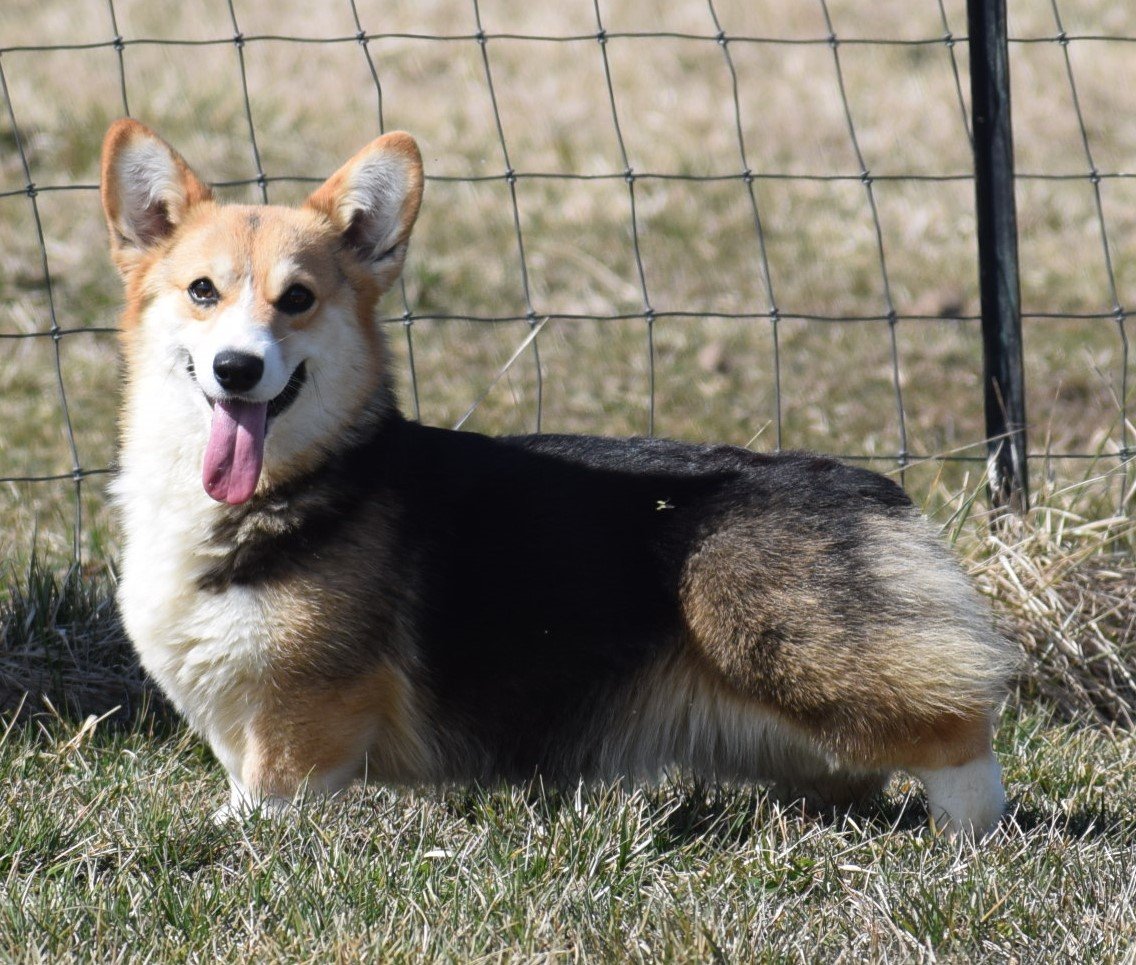
Corgis look small, but they are working dogs bred to herd cattle all day. They have plenty of energy, and a corgi without enough exercise tends to get bored and gain weight. Because of their long backs, though, the way you exercise them matters as much as how long.
This is general guidance. Always follow your vet's advice for your dog.
How much exercise an adult corgi needs
Most adult corgis need about 30 to 60 minutes of activity a day, split into a couple of sessions. That can include walks, fetch, training games and play with other dogs.
Individual dogs vary with age, weight and health, so adjust to your dog.
Exercise for puppies
Puppies need shorter, more frequent bursts of play rather than long forced walks. Their joints and spines are still developing. Avoid long runs, jumping from heights and repetitive stairs.
Gentle play, short walks and training sessions are ideal. Ask your vet when to start longer activity.
Protecting a corgi's back
Corgis can be prone to back problems because of their long spines. Keep your dog at a healthy weight, use ramps or steps for sofas and cars and avoid letting them jump off high furniture.
Do not encourage repeated jumping for a ball or frisbee.
Mental exercise
Corgis are smart. Puzzle feeders, scent games and training new tricks tire them as much as a walk. Ten minutes of training can calm a restless dog.
Rotate toys and teach new commands to keep them engaged.
Weather and safety
Corgis' double coats help them in cool weather, but they can overheat in summer. Exercise in the cooler parts of the day and provide water. Do not leave them in a parked car.
In winter, shorten walks in extreme cold and wipe paws after walking on salted roads.
Signs of too much or too little
Too little exercise looks like weight gain, destructive chewing, barking and restlessness. Too much shows as limping, heavy panting or reluctance to move.
If your corgi seems in pain or collapses after exercise, see a vet right away. Read our family dog guide or contact us with questions.
Sample daily routines
A busy but realistic day might include a 20 minute walk in the morning, ten minutes of training before work, a play session in the yard in the evening and a final short walk before bed. On rainy days, indoor games such as hide and seek, tug and puzzle feeders fill the gap.
Adjust to your dog's age and condition. Puppies may need more naps, and seniors may prefer shorter walks.
Sports and activities corgis enjoy
Many corgis enjoy herding trials, agility, rally, obedience and tracking. These give a job to the herding mind. Even without competition, teaching tricks and playing fetch on soft ground are great activities.
If you want to try a sport, ask your vet first and start slowly to protect the back.
Exercise and weight
Exercise is one of the best tools for keeping a corgi at a healthy weight. Combined with measured meals, it protects the spine and joints. Weigh your dog regularly and adjust food and activity.
Read our feeding guide for more on portions and treats.
Exercise for senior corgis
Older corgis still benefit from daily movement, but shorter, gentler walks suit them better. Watch for stiffness, slowing down and reluctance to climb stairs. Ask your vet about joint support and weight control.
Mental games and sniff walks are good for seniors. Keep a regular routine and avoid sudden bursts of intense exercise.
Hot weather and exercise
On hot days, exercise early in the morning or after sunset, walk on grass instead of hot pavement, bring water and rest in the shade. Watch for heavy panting, drooling and weakness, which can signal overheating.
If you suspect heatstroke, move your dog to a cool place and call your vet immediately.
Quick takeaways
Most adult corgis need about 30 to 60 minutes of activity a day. Puppies need shorter, more frequent play. Protect the back by avoiding repeated jumping, keeping your dog lean and using ramps for furniture and cars.
Add mental exercise such as training games and puzzle feeders, adjust activity to the weather, and watch for signs of overdoing it. A tired, well-exercised corgi is a calm, happy companion at home. If you have questions about the right routine for your puppy, call Michelle at (620) 764-3565. Our pups grow up running in a 2-acre fenced play area, so they come to you with good habits and plenty of energy to burn.
You can also read our feeding guide to balance food and activity, or the guide on corgis as family dogs.
Common questions about exercise
Can I take my corgi running or hiking? Many adults can hike on moderate trails, but build up slowly and skip long runs for puppies. How much is too much? Limping, heavy panting and reluctance to move mean it is time to rest. Is a yard enough? A yard helps, but walks and games add the structure and bonding corgis enjoy.
If you are unsure, ask your vet to check your dog before starting a new activity.